
Ring Size Chart Explained: Your Complete Guide to Finding the Perfect Fit
Buying a ring is an exciting experience, whether you’re shopping for an engagement ring, wedding band, anniversary gift, or a stylish accessory for yourself. However, choosing the correct ring size is just as important as selecting the design. A ring that is too tight can be uncomfortable, while one that is too loose may easily slip off and become lost. That’s why understanding a reliable ring size chart is essential before making any purchase. Accurate sizing ensures comfort, confidence, and peace of mind. Many people still guess their ring size or rely on old measurements, which often leads to expensive resizing later. Fortunately, modern online sizing tools and detailed measurement guides have made the process easier than ever. Whether you’re shopping online or preparing for a visit to a jeweler, knowing how ring sizing works can help you make a smarter decision. This guide explains everything you need to know about ring measurements, sizing systems, common mistakes, and practical tips to ensure you find the perfect fit every time.
What Is a Ring Size Chart?
A ring size chart is a standardized reference that matches the circumference or diameter of a finger to a specific ring size. Jewelers around the world use these charts to manufacture rings that fit consistently. Since different countries follow different sizing systems, understanding the chart helps buyers compare sizes accurately when purchasing internationally.
A typical ring size chart includes:
- Ring size number
- Inside diameter in millimeters
- Finger circumference in millimeters
- International size equivalents
These measurements provide a universal way to determine which ring size best fits your finger.
Why Accurate Ring Sizing Matters
A perfectly fitted ring offers much more than comfort. It protects your investment and ensures your jewelry remains secure during everyday activities.
Benefits of choosing the correct ring size include:
- Comfortable daily wear
- Reduced chance of losing the ring
- Less need for expensive resizing
- Better appearance on the finger
- Increased confidence when purchasing online
When investing in valuable jewelry, taking a few extra minutes to measure correctly can prevent future problems.
How Finger Size Changes
Many people assume their finger size remains constant throughout the day. In reality, finger measurements naturally fluctuate due to several factors.
Some of the most common influences include:
Temperature
Cold weather causes fingers to shrink slightly, while warm weather makes them expand.
Time of Day
Most people’s fingers become slightly larger in the evening than in the morning.
Physical Activity
Exercise and increased blood circulation may temporarily enlarge fingers.
Diet and Hydration
Salt intake, hydration levels, and water retention can all affect finger size.
Pregnancy and Medical Conditions
Hormonal changes or swelling may temporarily change ring measurements.
Because of these variables, experts generally recommend measuring your finger multiple times throughout the day before selecting a final size.
Different Ring Sizing Systems Around the World
Ring sizes vary depending on the country. Understanding international conversions is especially helpful when purchasing jewelry from overseas retailers.
Common sizing systems include:
- United States and Canada
- United Kingdom
- Australia
- Europe
- Japan
- Switzerland
A reliable ring size chart converts these systems into equivalent measurements, making international shopping much easier.
How to Measure Your Ring Size at Home
You don’t always need a professional jeweler to determine your ring size. Several simple methods can provide surprisingly accurate results.
Measure an Existing Ring
If you already own a ring that fits comfortably, measure its inside diameter using a ruler or digital caliper. Compare the measurement with a ring size chart to identify the corresponding size.
Use a Paper Strip
Wrap a thin strip of paper around your finger, mark where the ends meet, and measure the length in millimeters. This measurement represents your finger circumference.
String Method
A piece of non-stretch string can also work. Wrap it around your finger, mark the overlap, straighten the string, and measure the length.
Printable Ring Sizer
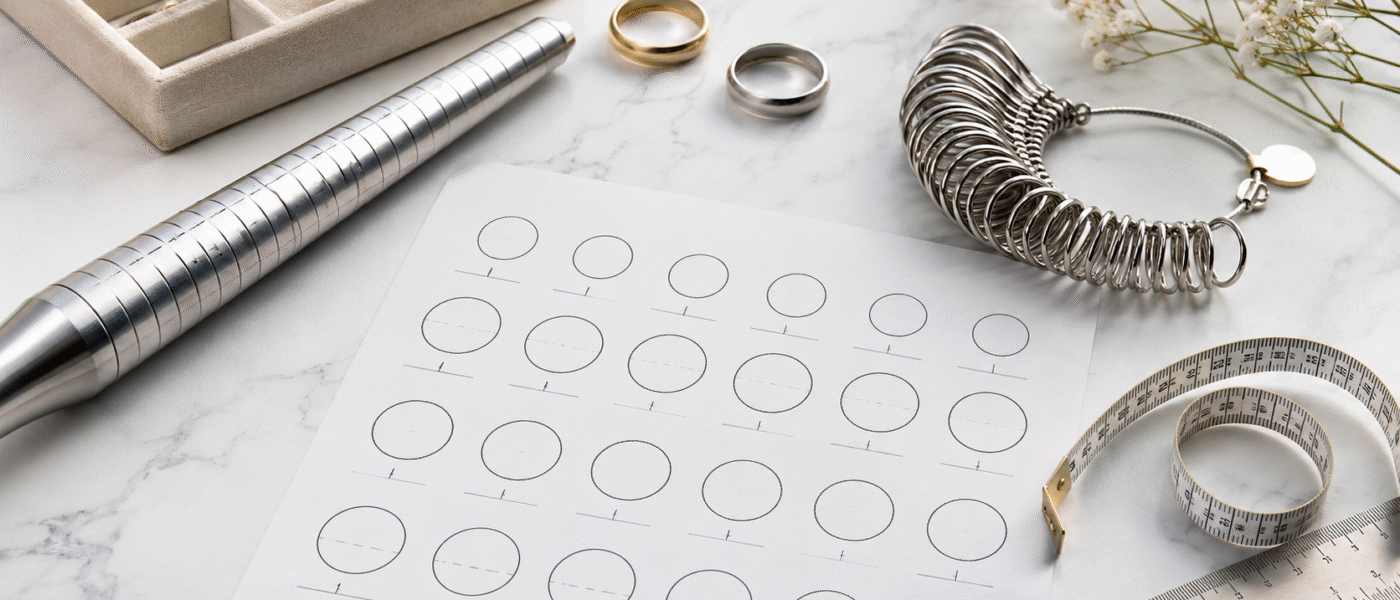
Many online jewelry resources provide printable sizing guides that allow you to compare existing rings directly against printed circles.
While these methods are helpful, using a dedicated digital sizing tool often provides greater accuracy.
Advantages of Online Ring Sizing Tools
Technology has significantly improved the accuracy of home measurements. Interactive sizing calculators reduce human error and simplify the process.
One excellent example is the ring size chart available through MyBirthStone.org. Their easy-to-use calculator helps users determine the correct size using multiple measurement methods, making online ring shopping far more reliable.
Online sizing tools typically offer:
- Instant size conversion
- International size comparison
- Diameter and circumference calculations
- Mobile-friendly interface
- Simple step-by-step instructions
These features make it much easier for first-time buyers to select the correct ring size confidently.
Common Ring Sizing Mistakes
Many sizing errors occur because people overlook small details during measurement.
Some of the most frequent mistakes include:
Measuring Cold Fingers
Cold fingers are naturally smaller than usual, resulting in rings that later feel too tight.
Ignoring Knuckle Size
Some individuals have larger knuckles than the base of their finger. In these cases, the ring should slide comfortably over the knuckle without becoming loose afterward.
Measuring Only Once
Repeating measurements several times improves accuracy and reduces inconsistencies.
Using Stretchable Materials
Elastic string or flexible fabric can distort measurements and produce inaccurate results.
Choosing Style Before Size
Wide rings generally fit tighter than thin bands and often require a slightly larger size.
Avoiding these common errors leads to a much better overall fit.
Ring Width Can Affect Fit
Ring width plays an important role in comfort.
Thin Bands
Narrow rings usually fit true to size and feel lighter on the finger.
Wide Bands
Wider rings cover more skin, creating additional friction. Many jewelers recommend increasing the size by approximately half a size for comfort.
Always consider the ring’s design before making your final sizing decision.
Tips for Buying Rings Online
Online jewelry shopping has become increasingly popular due to larger selections and competitive pricing. However, proper sizing remains essential.
Follow these helpful tips:
- Measure your finger multiple times.
- Compare both diameter and circumference.
- Review the retailer’s sizing guide.
- Understand international size conversions.
- Consider ring width.
- Check the return and resizing policy.
- Use a trusted sizing calculator before ordering.
These simple precautions reduce the chances of ordering the wrong size.
When Professional Measurement Is Best
Although home measurement works well for most buyers, professional sizing remains the most accurate option.
Consider visiting a jeweler if:
- Purchasing an expensive engagement ring
- Buying a custom-made ring
- Your finger measurements vary significantly
- You have unusually large knuckles
- You’re uncertain between two sizes
Professional ring mandrels and sizing tools provide highly precise measurements.
Caring for Your Perfectly Sized Ring
After finding the correct fit, proper care helps maintain both comfort and appearance.
Useful maintenance tips include:
- Remove rings during heavy lifting.
- Clean jewelry regularly.
- Avoid harsh chemicals.
- Store rings separately to prevent scratches.
- Have valuable rings inspected periodically.
Proper maintenance extends the life of your jewelry while preserving its beauty.
Why MyBirthStone.org Is a Valuable Resource
Finding accurate sizing information online can sometimes be confusing due to inconsistent charts. MyBirthStone.org offers a practical solution by combining educational resources with an easy-to-use ring size chart calculator.
Their platform simplifies the entire sizing process by helping users:
- Measure accurately from home.
- Convert international sizes.
- Compare diameter and circumference.
- Minimize sizing mistakes.
- Shop online with greater confidence.
Whether you’re purchasing your first ring or adding another piece to your collection, reliable measurement tools make the experience much smoother.
Frequently Asked Questions
What is the most accurate way to determine ring size?
Using a professional jeweler or a trusted online ring size calculator that measures both finger circumference and ring diameter provides the highest accuracy.
Should I size up or down if I’m between sizes?
If you’re between sizes, many jewelers recommend choosing the slightly larger size, especially for wider bands or if your fingers tend to swell.
Can finger size change over time?
Yes. Temperature, age, weight changes, hydration, pregnancy, and physical activity can all affect finger size.
Are ring sizes the same worldwide?
No. Different countries use different sizing systems, making an international conversion chart extremely useful for online purchases.
How often should I check my ring size?
If it’s been several years since your last measurement or you’ve experienced significant weight or health changes, it’s a good idea to measure your finger again before buying a new ring.
Final Thoughts
Choosing the right ring size should never be left to guesswork. A properly fitted ring provides comfort, security, and long-term satisfaction while helping you avoid unnecessary resizing costs. By understanding how ring measurements work, accounting for daily finger size fluctuations, and using trusted online sizing resources, you can make informed purchasing decisions with confidence. Whether you’re buying an engagement ring, wedding band, fashion accessory, or meaningful gift, taking the time to consult a dependable ring size chart is one of the smartest steps in the buying process. With helpful tools like the calculator available at MyBirthStone.org, finding your ideal fit has become faster, easier, and more accurate than ever before.